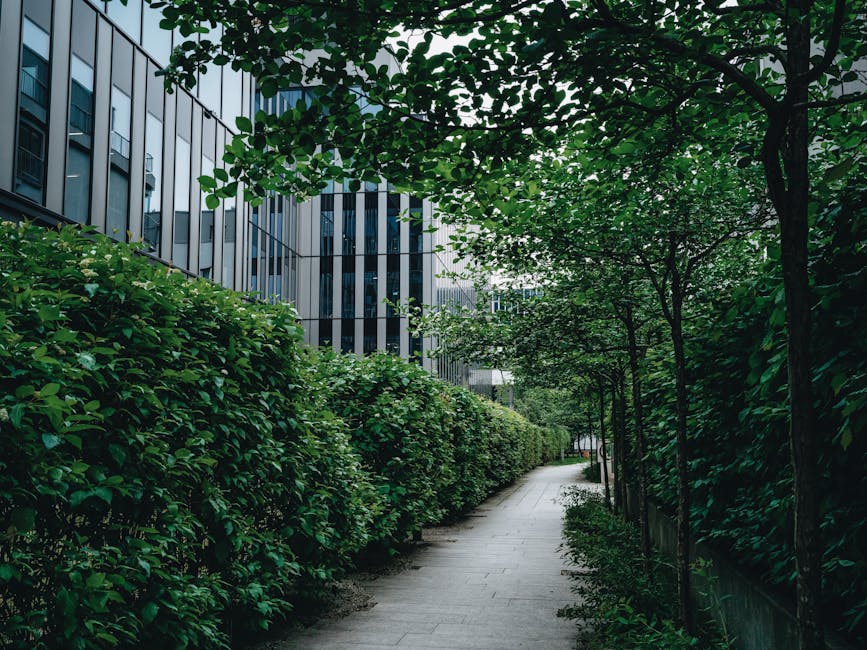
Garden maintenance quotes for Poplar businesses and offices
If you manage an office, retail unit, shared workspace, or commercial property in Poplar, getting the outside space right matters more than most people think. A tidy frontage, healthy lawn, and well-kept planting beds say a lot before anyone even walks through the door. This guide to Garden maintenance quotes for Poplar businesses and offices explains what's included, how pricing is usually built, what to ask for, and how to compare quotes without getting lost in the small print.
Truth be told, most business owners do not need a "perfect garden". They need something dependable, presentable, and easy to manage. That is exactly where a clear quote helps. It turns a vague maintenance problem into a practical plan.
Table of Contents
- Why Garden maintenance quotes for Poplar businesses and offices Matters
- How Garden maintenance quotes for Poplar businesses and offices Works
- Key Benefits and Practical Advantages
- Who This Is For and When It Makes Sense
- Step-by-Step Guidance
- Expert Tips for Better Results
- Common Mistakes to Avoid
- Tools, Resources and Recommendations
- Law, Compliance, Standards, or Best Practice
- Options, Methods, or Comparison Table
- Case Study or Real-World Example
- Practical Checklist
- Conclusion
- Frequently Asked Questions
Why Garden maintenance quotes for Poplar businesses and offices Matters
Commercial gardens and office grounds are not just decorative. They shape first impressions, help staff feel comfortable, and can even reduce day-to-day friction around litter, leaf build-up, overgrown edges, and blocked access routes. In a busy place like Poplar, where time is tight and spaces are often compact, neglected planting or patchy lawns can make a property look tired very quickly.
A proper quote matters because it does three jobs at once. First, it helps you understand what the work actually involves. Second, it lets you compare suppliers on a fair basis. Third, it gives your organisation a way to budget properly instead of paying ad hoc for emergency tidy-ups when the site already looks scruffy. And let's face it, those last-minute fixes always feel more expensive.
For offices in particular, maintenance is often about consistency rather than big one-off transformations. A small forecourt, a few planters, a hedge line, or a shared courtyard can all need regular attention. If the quote reflects that reality, you are much more likely to end up with a space that stays neat through the week rather than only looking good on the day of a visit.
If you are still shaping your wider outdoor maintenance plan, it can help to review the provider's services overview alongside their pricing and quotes information. That gives you a better sense of how individual tasks fit into a broader maintenance schedule.
How Garden maintenance quotes for Poplar businesses and offices Works
Most commercial garden quotes are built from a site visit, photos, or a detailed request that covers the size and condition of the space. The better the brief, the more accurate the quote. It sounds obvious, but many businesses under-specify the job and then wonder why the final cost moves around.
A good quote usually takes into account:
- the size of the site
- how often maintenance is needed
- the current condition of lawns, hedges, borders, and paths
- access to the property and working hours
- waste removal requirements
- whether specialist work is needed, such as hedge reduction or tree work
- any health and safety considerations
For example, a small office courtyard with a few planters may need occasional pruning and litter removal. A larger business premises might need lawn mowing, hedge trimming, edging, seasonal clearance, and scheduled visits. Those are not the same job, even if both are called "garden maintenance".
Many businesses prefer a recurring arrangement because it makes upkeep predictable. Others choose a one-off visit first, especially if the site has not been looked after for a while. If the outside space has become wild around the edges-yes, that happens more than people admit-a first clearance visit can reset things before regular maintenance begins. The team at garden maintenance can usually advise whether you need a routine plan or a heavier initial tidy.
When comparing quotes, look beyond the headline figure. Ask what is included, what is excluded, whether waste is removed, and whether follow-up visits are priced separately. A cheaper quote can be fine, of course. But if it leaves out the essentials, it is not really cheaper at all.
Key Benefits and Practical Advantages
There are several reasons commercial clients in Poplar choose to request proper written quotes rather than simply booking the first available gardener.
- Budget control: you can plan monthly or quarterly spend with much less guesswork.
- Cleaner presentation: tidy outdoor areas help your business look organised and cared for.
- Reduced complaints: staff, visitors, and neighbouring occupiers are less likely to comment on overgrowth or mess.
- Better safety: regular maintenance can reduce trip hazards from debris, slippery growth, and blocked access.
- Improved plant health: routine care often prevents small problems from turning into expensive replacements.
- Less disruption: planned visits are easier to fit around office hours and deliveries.
There is also a softer benefit that gets overlooked. Well-kept planting can make a workplace feel calmer. A bit of greenery, properly trimmed, is not just "nice to have". It can make the whole site feel more intentional. Even a modest space can feel far better when the edges are crisp and the leaves are not swallowing the path.
For larger or more varied sites, it may make sense to combine maintenance with lawn mowing, hedge trimming, or even garden clearance if the area needs a stronger reset. That creates one joined-up plan instead of several separate calls.
Who This Is For and When It Makes Sense
This topic is relevant to a wide range of Poplar businesses and office-based organisations. If you manage any site with outdoor space, you are probably in the right place.
- offices with front planting or courtyard gardens
- business parks and managed estates
- retail premises with planter displays or access borders
- professional services offices that want a smart frontage
- schools, clinics, and community buildings with outdoor areas
- landlords and property managers responsible for communal grounds
- hospitality venues with outdoor customer-facing areas
It usually makes sense to request a quote when you notice one or more of these signs:
- the lawn is getting uneven or patchy
- hedges are obscuring signs or entrances
- weeds are spreading through beds or paved edges
- litter and leaf fall keep building up
- staff are spending too much time on basic tidy-up tasks
- you need a regular schedule rather than random visits
If your site includes decking, raised areas, or mixed materials, maintenance may overlap with other outdoor services. In that case, a wider review of landscaping or decking services may be worth discussing as well. Not every quote needs that detail, but some do. Depends on the site, really.
Step-by-Step Guidance
If you want a quote that is accurate and easy to compare, follow a simple process. Nothing fancy. Just clear, orderly information.
- List the outdoor areas you need maintained. Include lawns, hedges, beds, borders, paths, entrances, roofline edges where relevant, and any communal zones.
- Decide how often the work should happen. Weekly, fortnightly, monthly, or seasonal visits will all produce different pricing.
- Note the current condition. Is the site tidy, or does it need clearance first? Be honest here. It saves awkward surprises later.
- Take a few photos. A couple of wide shots and some closer images help a lot, especially if a site visit is not possible immediately.
- Ask what is included. Mowing, edging, pruning, leaf clearance, weeding, green waste removal, and minor tidy-up work should all be spelled out.
- Check access and timing. Some offices need work done early, before staff arrive, or outside customer-facing hours.
- Review the quote line by line. Look for exclusions, minimum visit charges, emergency call-out rates, and additional costs for specialist work.
- Compare value, not just price. A slightly higher quote can be better if it includes reliability, waste disposal, and proper planning.
A small but useful tip: ask for the quote to separate one-off remedial work from ongoing maintenance. That makes it easier to budget and easier to approve internally. It also helps facilities teams explain costs without sounding vague, which always helps.
For maintenance-heavy sites, it may be useful to check the provider's approach to recycling and sustainability. That matters if you want green waste handled responsibly and site upkeep aligned with broader environmental goals.
Expert Tips for Better Results
After enough commercial quote requests, a few patterns become obvious. The best results usually come from good information, clear expectations, and a sensible scope. Here are a few practical tips that tend to save time and money.
- Give context, not just a postcode. Tell the contractor whether the site is a public-facing office, a private courtyard, or a shared commercial estate.
- Be specific about standards. "Keep it tidy" is fine as a starting point, but "lawn cut, edges trimmed, paths blown clear, beds weeded" is better.
- Think seasonally. Spring growth, autumn leaf fall, and winter debris all affect the workload differently.
- Ask about continuity. A regular team that knows the site can work more efficiently than one-off visits by different crews every time.
- Check whether emergency visits are possible. This is useful if there is a sudden growth surge before a client event or inspection.
Here's a small one, but it matters: if you know there are awkward access points, say so upfront. A locked gate, basement entrance, or loading bay access issue can change the job quite a bit. Better to mention it than leave it to chance. Nobody likes that "oh, by the way..." moment on arrival.
It can also be helpful to ask the contractor how they handle waste, trimming debris, and end-of-visit clean-down. A nice-looking garden is one thing; a tidy path with leaves still piled in the corner is another.
Common Mistakes to Avoid
A lot of businesses lose value not because they choose the wrong service, but because the brief is too loose. That usually leads to avoidable misunderstandings.
- Only asking for a price, not a scope. Cheap numbers are not useful if you cannot tell what is included.
- Forgetting to mention recurring issues. If one area always floods with leaves or weeds, tell the contractor.
- Assuming waste removal is included. Sometimes it is, sometimes it is not.
- Comparing one-off quotes against maintenance contracts. Those are different models and should not be judged the same way.
- Ignoring safety and access. Steep steps, shared entrances, slippery surfaces, and public access all matter.
- Waiting until the site looks bad. By then, the job often takes longer and costs more.
Another common one? Thinking all garden work is interchangeable. It really isn't. A neat hedge, a clean lawn, a cleared border, and a safe access route each require slightly different attention. That's why good quotes separate tasks instead of bundling everything into a fuzzy headline price.
Tools, Resources and Recommendations
You do not need a complex toolkit to manage commercial garden maintenance quotes well. What you do need is a simple system and a few basic resources.
- A site checklist: use this to record lawns, hedges, beds, paths, litter, and access issues.
- Recent photos: useful for remote quoting and for comparing before-and-after results.
- A maintenance calendar: helps you plan around growth cycles, events, and busy trading periods.
- A budget note: keep track of what you paid last season and what changed since then.
- A contact list: who approves access, who signs off work, and who receives invoices?
If your site needs a broader package, it may be sensible to look at associated services too. For example, a neglected frontage may benefit from landscape gardening advice, or a problem tree may call for tree lopping and removal rather than just routine trimming. That distinction matters. Maintenance is for keeping things in shape; remedial work is for fixing a bigger issue.
You can also review practical company information such as insurance and safety, health and safety policy, and about us pages when assessing trust and fit. For business clients, that reassurance is not window dressing. It matters.
Law, Compliance, Standards, or Best Practice
For commercial garden maintenance, the key compliance issue is usually safe working practice rather than any one dramatic legal point. Businesses should think about contractor access, public safety, clear communication, and sensible site controls. If workers are on your premises, you want to know that the job is planned properly and that the provider understands the realities of working around staff, visitors, vehicles, and neighbouring occupiers.
Best practice usually includes:
- clear instructions for access and site boundaries
- safe storage and use of tools and equipment
- risk awareness around slips, trips, and falling debris
- appropriate handling of green waste
- communication about any hazards before work starts
- reasonable scheduling to reduce disruption
For some sites, especially those with public access, the expectation is simply that the work is carried out tidily and predictably. That means no loose debris left behind, no blocked entrances, and no confusion about which areas are being maintained. Simple enough, but worth stating.
It is also sensible to check payment terms and record-keeping practices. If your organisation needs formal invoicing or secure online payment handling, the provider's payment and security information should make that clear. And if you have any concerns around service terms, read the terms and conditions before agreeing a schedule.
Expert summary: the best garden maintenance quote is not the lowest one. It is the one that clearly matches your site, your timing, your standards, and your budget without hidden extras. That is the sweet spot.
Options, Methods, or Comparison Table
Most Poplar businesses will choose one of three broad approaches. Each has its place.
| Option | Best for | Pros | Watch-outs |
|---|---|---|---|
| One-off tidy-up | Sites that need a reset before an event or inspection | Fast, useful, easy to start | Does not solve ongoing growth or repeat issues |
| Regular maintenance plan | Offices and managed premises with consistent outdoor areas | Predictable, tidy, easier to budget | Needs a clear schedule and scope |
| Mixed maintenance and remedial work | Sites with overgrowth, uneven ground, or neglected planting | More comprehensive, can restore the whole area | May cost more initially and take longer |
If your site includes dense planting, awkward borders, or older features, it may need a hybrid approach. A basic maintenance plan with occasional heavier work can be a very sensible middle ground. Not glamorous, perhaps, but practical.
Where the outside area is part garden and part hard landscaping, a contractor may also suggest a mix of landscaping and maintenance rather than maintenance alone. That can make the whole site easier to keep in shape over time.
Case Study or Real-World Example
Consider a small office building in Poplar with a narrow front strip, two planters by the entrance, and a rear courtyard used by staff during breaks. Nothing massive. But over a few months, the edges become untidy, the planters look tired, and the courtyard starts collecting leaves and debris.
The first quote request is a simple one: "Please tidy the garden." The problem is, that tells the contractor almost nothing. After a clearer walk-through, the scope becomes more useful: mow and edge the small lawn strip, prune the planters, clear the leaf build-up, trim the hedge line, and remove green waste at the end of each visit. Suddenly the quote becomes meaningful.
The business then chooses a fortnightly schedule during spring and summer, with a lighter monthly visit in colder months. That keeps the site presentable without over-servicing it. Staff notice the difference almost immediately; the entrance feels brighter, and the courtyard stops looking like an afterthought. Simple change, big effect.
What made the difference? Not magic. Just a better brief, a clearer quote, and a service plan that matched the actual site. Small office gardens can be fiddly, but once they're under control, they stay under control much more easily.
Practical Checklist
Use this checklist before requesting or approving a quote.
- Have you listed all outdoor areas that need work?
- Have you noted whether the site needs a one-off clearance first?
- Have you decided how often maintenance should happen?
- Have you shared photos or arranged a site visit?
- Have you confirmed access times and any security requirements?
- Have you asked what is included in the quoted price?
- Have you checked whether waste removal is included?
- Have you reviewed safety, insurance, and contractor credentials?
- Have you confirmed who signs off the work?
- Have you compared at least two quotes on the same basis?
One extra point, and it is a good one: ask what happens if the site conditions change. A quote is only useful if everyone understands how changes are handled. Weather, overgrowth, and access issues can all affect the final job. Better to know that in advance.
Conclusion
Garden maintenance for offices and businesses in Poplar is not about chasing perfection. It is about keeping outdoor spaces professional, safe, and easy to live with day to day. A strong quote gives you clarity, helps you compare options properly, and makes it far easier to get the right balance between cost and upkeep.
If you take one thing from this guide, let it be this: be specific. The more clearly you explain your site, the better the quote will be. That one habit can save a surprising amount of time, money, and back-and-forth later on.
Get a free quote today and see how much you can save.
When your outside space is looked after properly, the whole property feels calmer, smarter, and more cared for. And honestly, that never really goes out of style.
Frequently Asked Questions
What do garden maintenance quotes for Poplar businesses and offices usually include?
They often cover mowing, edging, hedge trimming, pruning, weed control, leaf clearance, and waste removal, but the exact scope depends on the site. Always ask for the inclusions in writing so you know what is covered.
How often should a business garden in Poplar be maintained?
That depends on the size of the site, plant growth, and how visible the space is to customers or staff. Many office settings benefit from fortnightly or monthly visits, with seasonal adjustments in spring and autumn.
Is a one-off clearance better than a regular maintenance plan?
If the space is badly overgrown or neglected, a one-off clearance first can make a regular plan far more effective. If the site is already in reasonable condition, a recurring schedule may be enough.
Why do some garden quotes cost more than others?
Costs usually vary based on site size, labour time, access, waste removal, specialist tasks, and visit frequency. A quote that includes more detail is often more accurate than a very short one.
Should I ask for a site visit before accepting a quote?
Yes, if possible. A site visit helps the contractor see access points, ground conditions, and the true level of work. That usually leads to a more reliable price.
Can garden maintenance be scheduled outside office hours?
Often, yes. Many commercial clients prefer early mornings, quieter periods, or off-peak times to reduce disruption for staff and visitors.
What if my office garden has hedges or trees as well as lawns?
Then you may need a broader scope that includes hedge trimming or tree-related work alongside routine maintenance. It is better to separate those tasks clearly in the quote.
How can I compare garden quotes fairly?
Compare the same scope, visit frequency, waste handling, and any extra charges. A lower price is only better if it includes the same work and the same standards.
Do I need insurance or safety checks from a garden contractor?
For commercial work, yes, that is a sensible expectation. You should look for clear evidence that the contractor takes safety seriously and has suitable cover for the job.
What should I do if the outdoor area gets overgrown between visits?
Raise it early and ask whether the schedule needs adjusting. Sometimes a seasonal growth burst is all it is; sometimes the site simply needs a more frequent maintenance cycle.
Are garden maintenance quotes suitable for small offices too?
Absolutely. Even a small courtyard, frontage, or planter display can benefit from a proper maintenance quote if it affects appearance, safety, or staff experience.
Where can I find more information about the service range and company approach?
You can review the provider's services overview, read about the team, and check practical details such as insurance and safety before you decide. That's usually a sensible way to narrow things down.